

Why Housing Matters
Housing Is Part of Fannin County’s Future
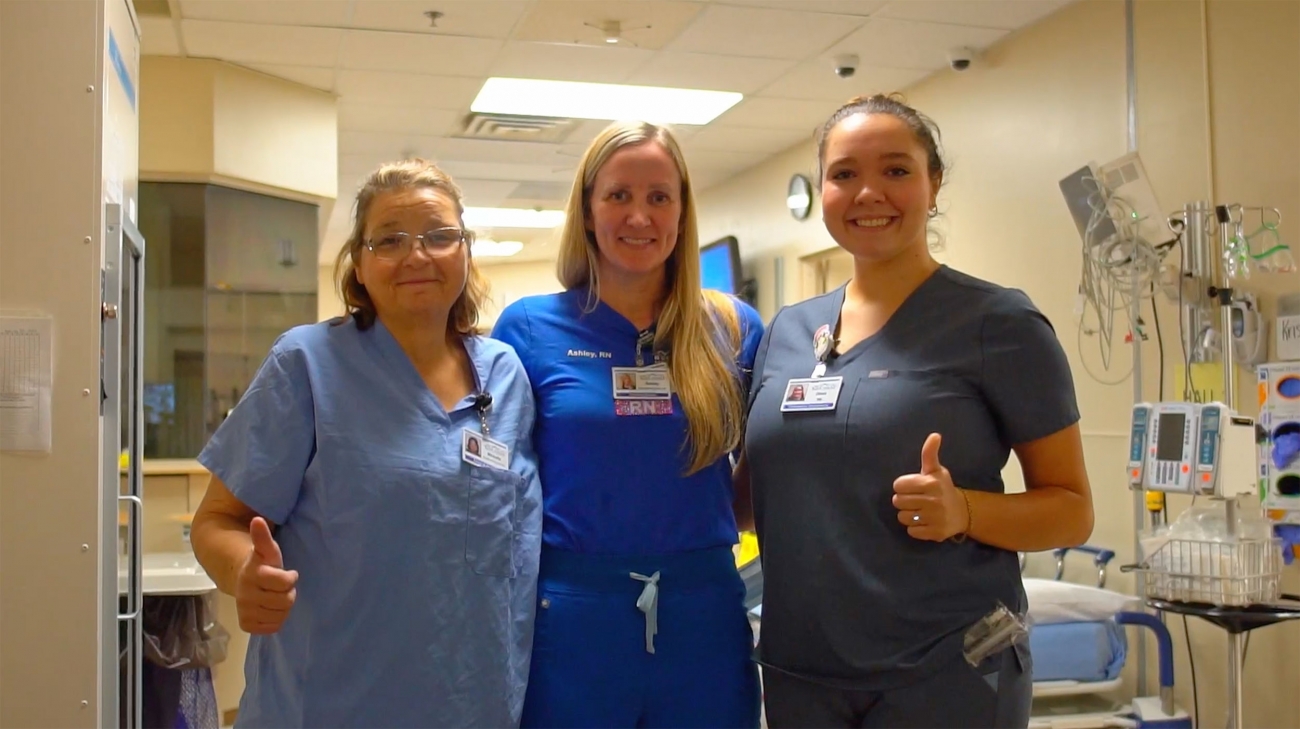
Housing is about more than where people live. It affects whether a teacher can stay in the community where they work, a nurse can live near the hospital, a young adult can afford to establish a household of their own, or an employer can recruit the people needed to grow. It also affects whether older residents can find housing that allows them to remain close to family, healthcare and the community they know.
Those are just a few of the many reasons housing has become an important part of Fannin County’s economic and community development conversation.
Fannin County has a large and active housing market, shaped by permanent residents, retirees, second-home owners, visitors and investors. But the 2026 Fannin County Housing Study found that the market does not fully serve the people who live and work here year-round.
The issue is not simply the number of homes in the county. It is whether the right housing is available, in the right places, at prices local households can reasonably support.

Housing Supports the People Who Support Fannin County
A strong community needs housing choices for people at different stages of life and at different income levels.
That includes:
- Employees working in healthcare, education, public safety, hospitality, retail and other essential industries
- Young adults and families looking for a place to rent or purchase
- First-time homebuyers entering the market without substantial existing equity
- Older residents seeking smaller, accessible or lower-maintenance housing
- Professionals relocating to Fannin County for work
- Long-time homeowners who may need assistance preserving or improving existing homes
The recently completed Fannin County Housing Study identifies needs across long-term rentals, workforce housing, entry-level ownership, senior and accessible housing, housing preservation and housing connected to essential services.
18,490
Approximate housing units in Fannin County
11,890
Approximate units occupied as primary residences
56%
Share of Fannin County primary jobs
held by workers who lived outside the county in 2023
83%
Approximate share of the county’s housing
made up of detached single-family homes
Those numbers illustrate an important point: a large housing inventory does not necessarily translate into a broad supply of housing for year-round residents and local workers.
At the same time, apartments, townhomes, duplexes and other housing choices make up a relatively small share of the county’s overall inventory.
Fannin County’s economy depends on people, and housing plays an important role in whether those people can live within reach of their jobs. Businesses can expand, new investment can occur and the visitor economy can continue to grow, but employers still need access to a workforce that can reasonably live in or near the community.
The county’s tourism and second-home economy generates significant business activity and supports the local tax base. At the same time, it creates a distinctive housing market in which local wages may compete with outside income, retirement wealth and investment demand. That makes housing part of the workforce equation.
When housing choices are limited, employers may have more difficulty recruiting and retaining employees. Workers may commute longer distances. Younger residents may remain with family longer than they otherwise would. And people who want to become part of the community may have fewer practical options for doing so.
Fannin County’s housing needs will not be addressed by one new subdivision, one apartment complex or one program.
Fannin County’s approach is likely to require a mix of strategies:
- Long-term rental housing
- Smaller ownership opportunities
- Townhomes and cottages
- Manufactured or modular housing
- Senior-oriented and accessible housing
- Rehabilitation and preservation of existing homes
- Employer-supported housing strategies
Solving the housing challenge requires collaboration among Fannin County, Blue Ridge, McCaysville, Morganton, utilities, employers, housing organizations, builders, developers, lenders and state and federal partners.
Housing and Economic Growth Go Together
Fannin County’s economy depends on people, and housing plays an important role in whether those people can live within reach of their jobs. Businesses can expand, new investment can occur and the visitor economy can continue to grow, but employers still need access to a workforce that can reasonably live in or near the community.
The county’s tourism and second-home economy generates significant business activity and supports the local tax base. At the same time, it creates a distinctive housing market in which local wages may compete with outside income, retirement wealth and investment demand. That makes housing part of the workforce equation.
When housing choices are limited, employers may have more difficulty recruiting and retaining employees. Workers may commute longer distances. Younger residents may remain with family longer than they otherwise would. And people who want to become part of the community may have fewer practical options for doing so.
There Is No Single Housing Solution
Fannin County’s housing needs will not be addressed by one new subdivision, one apartment complex or one program.
Fannin County’s approach is likely to require a mix of strategies:
- Long-term rental housing
- Smaller ownership opportunities
- Townhomes and cottages
- Manufactured or modular housing
- Senior-oriented and accessible housing
- Rehabilitation and preservation of existing homes
- Employer-supported housing strategies
Solving the housing challenge requires collaboration among Fannin County, Blue Ridge, McCaysville, Morganton, utilities, employers, housing organizations, builders, developers, lenders and state and federal partners.
Building Fannin County’s Future
The goal is not simply to build more housing. It is to create and preserve housing that helps residents stay, allows workers to live closer to their jobs, gives families and younger households more choices, supports older residents and strengthens the businesses and institutions that serve the community.
Housing is part of how Fannin County prepares for growth while protecting what makes the community special.