

Housing Initiatives & Progress
Moving From Study to Action
The 2026 Fannin County Housing Study recommends a sustained approach that brings together the county, municipalities, employers, housing organizations, developers, lenders, utilities and other partners to identify realistic opportunities, test feasibility and move projects forward over time.
That work is already beginning to take shape through planning, partnerships, community engagement and the identification of potential housing opportunities.
Current Areas of Focus
Fannin County’s housing strategy can advance through several related efforts:
- Building the Housing Project Pipeline
Identifying realistic sites, active projects, infrastructure conditions and development barriers so housing opportunities can be evaluated and advanced more systematically. - Expanding Long-Term Housing Options
Exploring opportunities for long-term rental housing, missing-middle housing, entry-level ownership, senior-oriented housing, manufactured or modular housing and rehabilitation of existing homes. - Connecting Housing and Workforce
Working with employers and essential-service organizations to better understand where housing affects recruitment, retention and commuting. - Identifying Infrastructure-Ready Opportunities
Focusing housing development where road access, utilities, water, sewer or other infrastructure can reasonably support it. - Strengthening Partnerships
Bringing together public, private and nonprofit partners with different roles in land, financing, development, infrastructure, construction and housing assistance. - Keeping the Community Informed
Providing regular information about housing priorities, proposed projects, milestones and results as work progresses.
Georgia Initiative for Community Housing
Fannin County is also pursuing participation in the Georgia Initiative for Community Housing, commonly known as GICH.
GICH is not a housing construction program and does not itself build homes. Instead, it is designed to help communities strengthen their housing strategy, connect with resources, build partnerships and develop the knowledge and capacity needed to move housing initiatives forward.
For Fannin County, participation is one part of a broader housing effort that also includes local government, private development, nonprofit organizations, employers, property owners and other community partners.
A Phased Approach
The Housing Study recommends that implementation occur in stages.
Initial work should focus on:
- Establishing a coordinated housing implementation structure
- Identifying an administrative lead
- Creating a housing opportunity and project pipeline
- Reviewing infrastructure and housing policy
- Assessing employer and senior housing needs
- Establishing a housing dashboard
- Identifying rehabilitation and preservation resources
- Beginning ongoing community engagement
As opportunities are identified, the next step is to evaluate what can realistically move forward.
That may include:
- Completing development feasibility analysis
- Evaluating potential sites
- Engaging developers, lenders and housing organizations
- Pursuing infrastructure or housing funding
- Selecting a limited number of pilot initiatives
Phase 1: Organize and Prepare
Initial work should focus on:
- Establishing a coordinated housing implementation structure
- Identifying an administrative lead
- Creating a housing opportunity and project pipeline
- Reviewing infrastructure and housing policy
- Assessing employer and senior housing needs
- Establishing a housing dashboard
- Identifying rehabilitation and preservation resources
- Beginning ongoing community engagement
Phase 2: Test and Assemble Projects
As opportunities are identified, the next step is to evaluate what can realistically move forward.
That may include:
- Completing development feasibility analysis
- Evaluating potential sites
- Engaging developers, lenders and housing organizations
- Pursuing infrastructure or housing funding
- Selecting a limited number of pilot initiatives
Potential Pilot Initiatives
The Housing Study recommends beginning with a limited portfolio of projects that respond to documented needs and have a realistic path toward implementation.
Potential concepts include:
- A small workforce rental development
- A townhome or cottage ownership project
- A senior-oriented rental or cottage development
- A manufactured or modular housing initiative
- An owner-occupied rehabilitation program
- A public or nonprofit land partnership
- An employer-assisted housing initiative
These are potential approaches, not predetermined projects. Any initiative would need to be evaluated based on site control, infrastructure, financial feasibility, community compatibility, development capacity and measurable public benefit.
Housing Takes Partnership
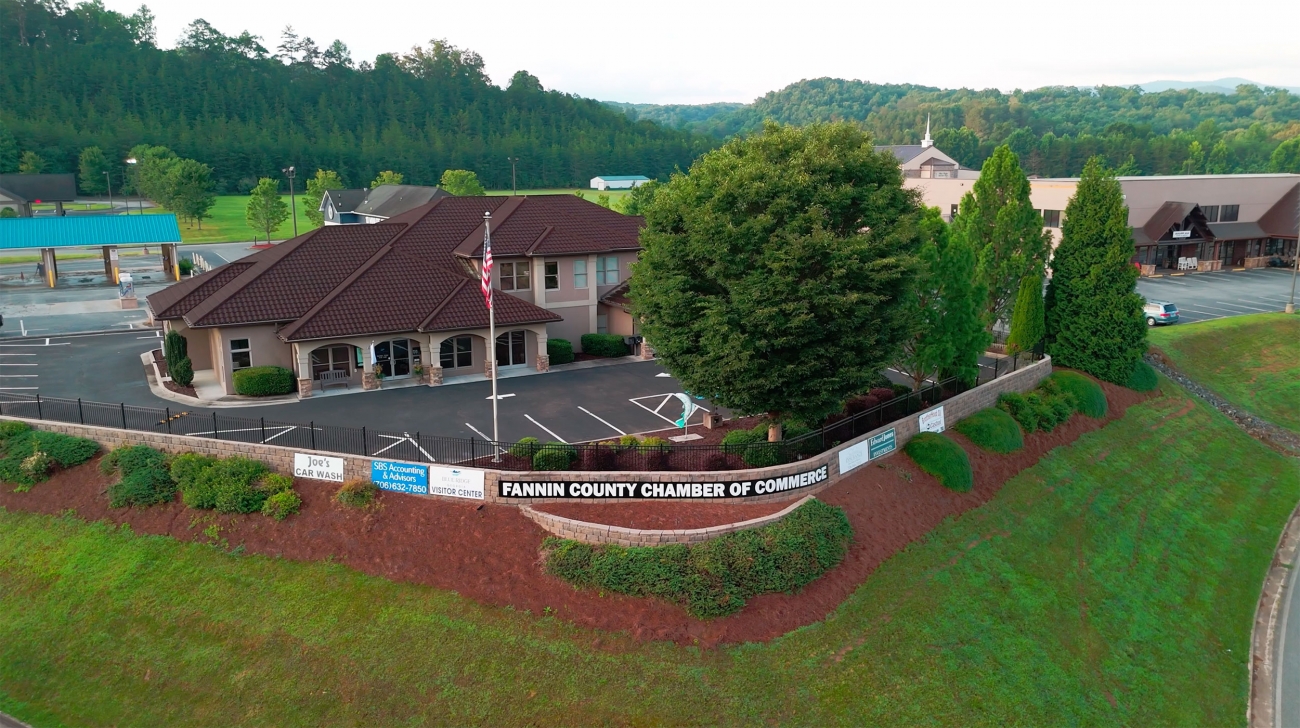
No single organization controls every part of the housing process. Fannin County and its municipalities each have important roles, while utilities, developers, builders, lenders, employers and nonprofit organizations contribute different resources and expertise.
Bringing those perspectives together is essential to moving housing opportunities from ideas to realistic, implementable projects.
Potential partners may include:
- Fannin County
- City of Blue Ridge
- City of McCaysville
- City of Morganton
- Georgia Initiative for Community Housing
- Habitat for Humanity and other nonprofit housing organizations
- Utility providers
- Major employers
- Banks and lenders
- Builders and developers
- Healthcare and education organizations
- State and federal housing and community-development partners
Measuring Progress
Progress should ultimately be measured by tangible results, not simply by the number of meetings held or plans completed.
Over time, measures may include:
- Year-round rental housing completed
- Entry-level ownership opportunities created
- Senior and accessible housing added
- Existing homes rehabilitated or preserved
- Employers participating in housing initiatives
- Infrastructure improvements that support housing
- Projects moving from concept to feasibility to construction
- Housing that remains available to permanent residents