

Fannin County Housing Snapshot


A Clearer Look at the Housing Market
Fannin County has a substantial housing inventory, but the number of homes alone does not tell the full story.
The 2026 Fannin County Housing Study found a gap between the county’s total housing supply and the housing available to year-round residents, local workers, younger households, first-time buyers and older adults. Much of the county’s housing serves seasonal, recreational, second-home or visitor-oriented uses rather than the permanent housing needs of people who live and work here every day.
18,490
Approximate housing units in Fannin County
11,890
Approximate units occupied as primary residences
35.7%
Overall Census vacancy rate
including seasonal, recreational and other nonpermanent uses
83%
Approximate share of the county’s housing
made up of detached single-family homes
6.9%
Share of housing
located in structures with two or more units
78.6%
Share of occupied homes
that are owner occupied
56%
Share of Fannin County primary jobs
held by workers who lived outside the county in 2023
What the Numbers Tell Us
A Large Housing Inventory Does Not Mean a Large Year-Round Supply
Thousands of housing units in Fannin County are classified as vacant under Census definitions, but that category includes seasonal homes, recreational properties, second homes, short-term rentals and other properties that may not be available for year-round residential use.
Housing Options Are Limited
Detached single-family homes make up the majority of Fannin County’s housing and will remain an important part of the community’s character. At the same time, the relatively limited supply of apartments, duplexes, townhomes, cottages and other smaller or attached housing types means fewer choices for households seeking different options, particularly in a county where the average household size is just over two people.
Who Is Most Affected?
The Housing Study identifies several groups and housing needs that are particularly affected by limited availability, affordability and housing choice.
The county’s rental market is limited in both size and variety, with stakeholder reports of high occupancy, limited turnover and difficulty finding available units.
Housing costs and availability can affect employee recruitment and retention, and many workers commute into Fannin County from outside the county.
Entry-level ownership is limited, especially for households entering the market without substantial accumulated equity.
Some residents need smaller, accessible or lower-maintenance housing that allows them to remain close to healthcare, family and services.
Some households remain with relatives, share housing or commute longer distances because independent housing options are limited or unaffordable.
Long-Term Renters
The county’s rental market is limited in both size and variety, with stakeholder reports of high occupancy, limited turnover and difficulty finding available units.
Local Workers
Housing costs and availability can affect employee recruitment and retention, and many workers commute into Fannin County from outside the county.
First-Time Homebuyers
Entry-level ownership is limited, especially for households entering the market without substantial accumulated equity.
Older Adults
Some residents need smaller, accessible or lower-maintenance housing that allows them to remain close to healthcare, family and services.
Younger Adults and Families
Some households remain with relatives, share housing or commute longer distances because independent housing options are limited or unaffordable.
Six Priority Housing Markets
The 2026 Fannin County Housing Study identifies six priority areas for continued attention:
- Long-term rental housing
- Moderate-income workforce housing
- Entry-level homeownership
- Senior-oriented and accessible housing
- Rehabilitation and preservation of existing housing
- Housing connected to essential services, including healthcare, education, public safety and local government
Location Matters
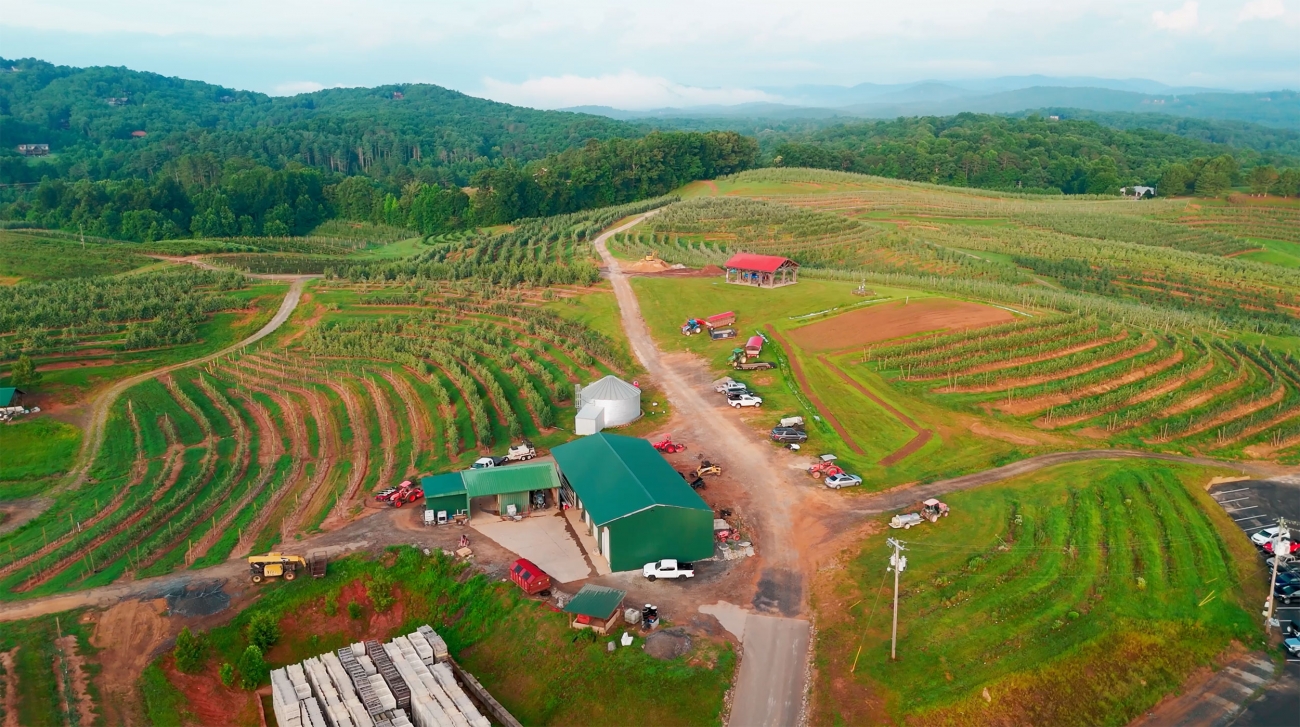
Not every type of housing fits every location. The kind of housing that makes sense in one part of Fannin County may not be practical or appropriate in another. Infrastructure, land conditions, access, development costs and the surrounding community all influence what can realistically be built and where.
Housing opportunities in Fannin County must account for:
- Water and sewer availability
- Well and septic conditions
- Road access
- Topography and slope
- Development costs
- Proximity to employers and services
- Community character
- Market feasibility
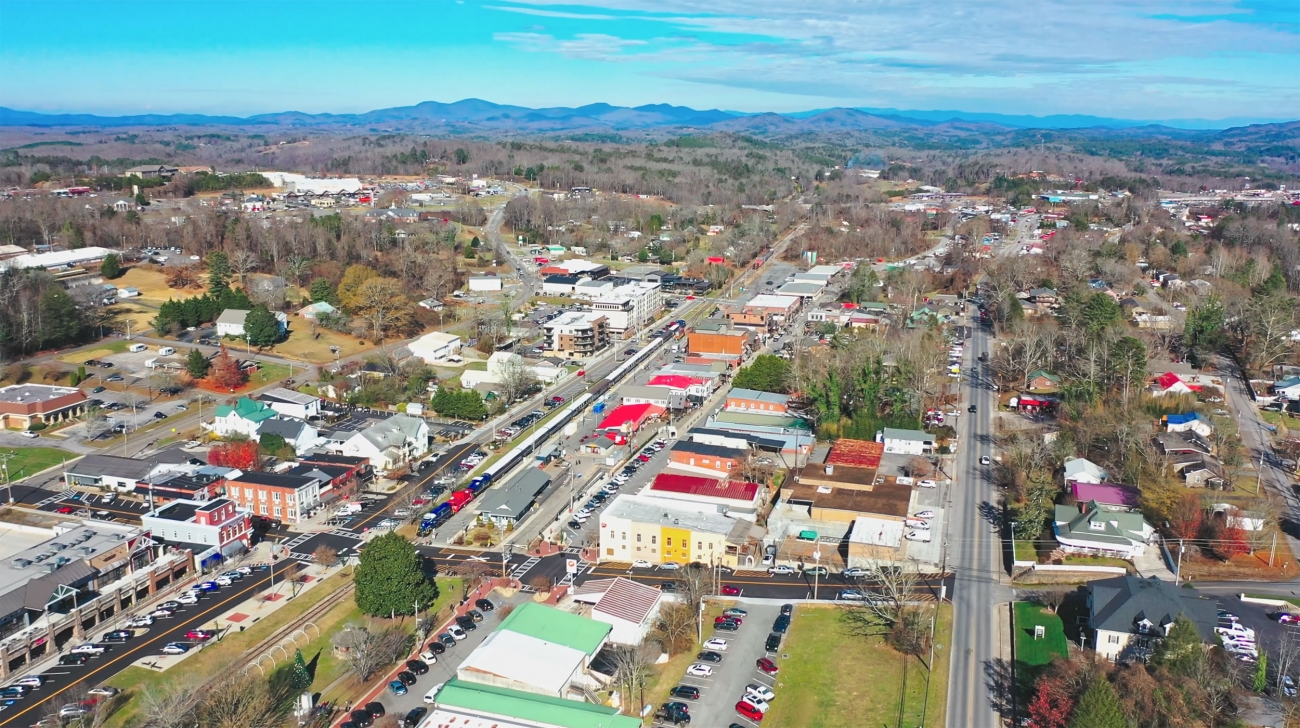
That means housing solutions will look different in Blue Ridge, McCaysville, Morganton and the unincorporated areas of the county.
A Market Shaped by More Than Population Growth
Fannin County’s housing market is shaped not only by permanent residents, but also by retirees, second-home owners, visitors, investors and households bringing income or equity from outside the county.
That broader demand supports construction, property investment and the local tax base. It can also increase competition for housing and contribute to prices that are difficult for households relying primarily on locally earned wages to support.
Dig Deeper
For those who want more detail, the full 2026 Fannin County Housing Study provides extensive information on housing supply, affordability, workforce, development activity, infrastructure, market gaps and implementation strategies.